
Things to Do in Bosnia and Herzegovina in January
January weather, activities, events & insider tips
Shoulder Season · Good Value
January Weather in Bosnia and Herzegovina
Temperature, rainfall and humidity at a glance
39°F (4°C)
High Temp
26°F (-2°C)
Low Temp
2.7 inches (69 mm)
Rainfall
70%
Humidity
⚠ Near-freezing temperatures, pack warm layers
Is January Right for You?
Weigh the advantages and considerations before booking
Advantages
- + Baščaršija bazaar empties after the tour buses leave. By late afternoon you'll share the hammered-copper workshops and charcoal-grilled ćevapi with Sarajevans heading home, not with cruise-ship crowds.
- + Hotel prices in Mostar drop 40-50% from summer peaks. That Ottoman mansion with carved balconies overlooking the Neretva River suddenly costs less than a generic chain room in July.
- + The Dinaric Alps turn into proper winter territory. Bjelašnica's ski slopes, 20 minutes from Sarajevo, serve empty runs and lift tickets cheaper than anywhere in the Alps.
- + January 9th's Republic Day celebrations in Banja Luka fill the main street with roasted-chestnut vendors and brass bands. Tourist infrastructure has not yet packaged these festivities.
Considerations
- − Daylight lasts barely 9 hours. By 4:30 PM you'll need streetlights to explore Mostar's old town, and outdoor photography becomes nearly impossible.
- − Mountain roads between Sarajevo and the coast ice over regularly. The spectacular drive through the Neretva Canyon turns into white-knuckle territory.
- − Many restaurants in coastal towns shut completely. Trebinje's famous wine cellars often close through January, limiting your options for Herzegovinian wine tasting.
- − Sarajevo's famous outdoor café culture disappears. Those atmospheric Ottoman courtyards with carpet-draped seating stand empty and cold.
Best Activities in January
Top things to do during your visit
Sarajevo Siege Tunnel and War History Tours
January's gray skies and bare trees create the perfect backdrop for understanding the 1990s siege. The Tunnel of Hope museum runs winter hours with smaller groups, meaning you'll walk the 25-meter underground passage with space to reflect, not squeezed between tour buses. Local guides who lived through the siege have time to share personal stories that summer crowds never hear.
Booking Tip: Book 2-3 days ahead through licensed operators. Winter tours typically run with 6-8 people instead of 30, so you'll get that personal connection with guides who can answer uncomfortable questions about the war.
Bosanska Kafana Food Tours
Heavy winter stews taste better when the temperature drops below freezing. January is when locals eat bosanski lonac (Bosnian pot) and begova čorba (Bey's soup), summer tourists get the tourist version. In Sarajevo's Baščaršija, the 400-year-old Morića Han caravanserai serves proper winter portions that would be unbearable in July heat.
Booking Tip: Look for tours that include a traditional bosanska kahva (Bosnian coffee) ceremony, the copper pot and sugar cube ritual makes more sense when you're warming frozen fingers.
Mostar Bridge and Old Town Walking
The famous Stari Most bridge looks dramatically different when the surrounding hills wear winter brown instead of summer green. January means you'll photograph the 16th-century bridge without 200 people in your frame. The Neretva River runs higher and greener from mountain snowmelt, creating better reflection shots than summer's sluggish flow.
Booking Tip: Morning light hits the bridge best around 9 AM in January, the sun sits lower, creating longer shadows that show the bridge's Ottoman architecture. Afternoons disappear quickly.
Blagaj Tekke and Dervish House Visits
This 16th-century Dervish monastery built into a cliff face becomes mystical in winter fog. The Buna River spring (Europe's largest) creates steam clouds when 9°C (48°F) water meets freezing air. January's reduced visitor numbers mean the tekke's caretakers have time to explain Sufi traditions and serve traditional Bosnian coffee in the original kitchen.
Booking Tip: Visit midweek if possible, locals from Mostar still weekend here. But January weekdays you're likely to have the entire complex to yourself.
Herzegovinian Wine Tasting
January harvest is over, meaning cellars are stocked with new vintages. The Mediterranean microclimate around Trebinje produces red wines that suit winter drinking, žilavka whites taste too heavy in summer heat but perfect with January's roasted meats. Family-run vineyards have time for extended tastings when they're not handling summer tourist buses.
Booking Tip: Call ahead, many smaller cellars close for January. But those that stay open provide intimate experiences. The larger operations in Trebinje's Vukoje wine region typically remain open.
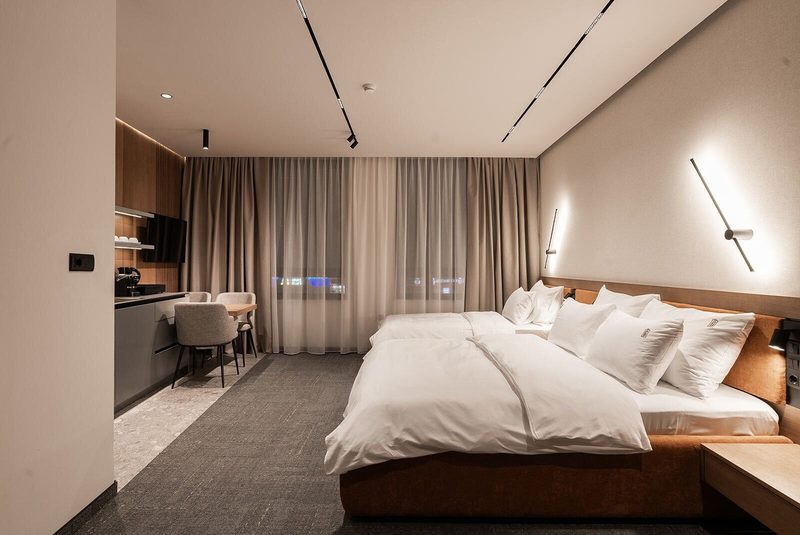
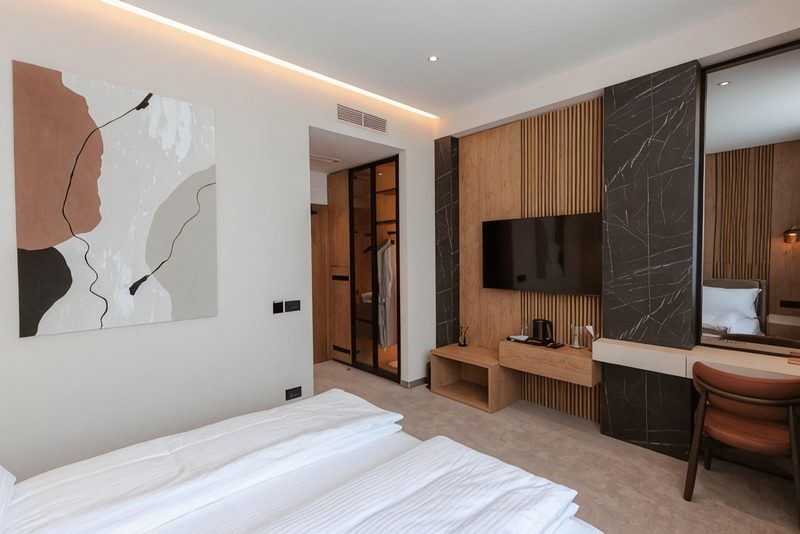
Where to Stay in Bosnia and Herzegovina in January
Hand-picked hotels across price tiers for January travellers.
Public Holidays in January
Dates that affect opening hours, transport and crowds
Nova Godina
Known in English as New Year's Day. Observed nationwide as a public holiday.
Nova Godina
Known in English as New Year's Day. Observed nationwide as a public holiday.
Božić (za pravoslavce)
Known in English as Christmas Eve (Orthodox). A public holiday in these regions only: BA-SRP.
Božić (za pravoslavce)
Known in English as Christmas Day (Orthodox). A public holiday in these regions only: BA-SRP.
Nova Godina
Known in English as New Year's Day. Observed nationwide as a public holiday.
Nova Godina
Known in English as New Year's Day. Observed nationwide as a public holiday.
Božić (za pravoslavce)
Known in English as Christmas Eve (Orthodox). A public holiday in these regions only: BA-SRP.
Božić (za pravoslavce)
Known in English as Christmas Day (Orthodox). A public holiday in these regions only: BA-SRP.
Packing Checklist
Bookmark this page — your progress is saved between visits
Need the full list with shopping links?
Climate-specific gear, brand recommendations, and what to leave at home.
View Bosnia and Herzegovina Packing List →Essential Tips
Insider knowledge and common pitfalls to avoid
Insider Knowledge
Hotel heating in Bosnia and Herzegovina often means individual room heaters, not central systems. Test yours immediately, January nights drop to -5°C (23°F) and replacement heaters might not exist.
Order 'domaća kafa' instead of espresso, it's cheaper, stronger, and locals will treat you differently. The copper pot and sugar cube ritual plays out everywhere from gas stations to five-star hotels.
The train between Sarajevo and Mostar runs winter schedule with only two daily departures. Buy tickets at the station, not online, the website crashes regularly and winter schedules aren't posted digitally.
Mostar's famous bridge divers won't jump in January, the Neretva River runs at 5°C (41°F). If someone offers to dive for money, they're scamming tourists who don't know the seasonal reality.
Sarajevo's Baščaršija bazaar shopkeepers speak German better than English, legacy of Yugoslavia's guest worker program. 'Wie viel?' gets better prices than 'How much?'
Avoid These Mistakes
Assuming January means empty attractions everywhere, Sarajevo's museums and galleries fill with locals on weekends, and you'll queue longer than expected.
Wearing summer hiking gear for winter mountain visits, Bjelašnica's ski slopes require proper alpine clothing, not layered summer fleeces.
Booking coastal accommodation for winter sun, Trebinje might be Herzegovina's warmest city, but 10°C (50°F) with damp air isn't beach weather.
Expecting rapid transit connections, winter fog closes Sarajevo airport frequently, and mountain roads between cities ice over, turning 2-hour drives into 5-hour ordeals.
Ready to plan your trip to Bosnia and Herzegovina?
Now that you've got the research covered, here's where to go next.
Book Experiences in Bosnia and Herzegovina
Top-rated things to do in Bosnia and Herzegovina this January


Explore More Activities in Bosnia and Herzegovina
Didn't see anything interesting yet?
Browse Viator's full catalog of tours, day trips, food experiences, and private guides in Bosnia and Herzegovina.
See All Bosnia and Herzegovina Tours on Viator