
Things to Do in Bosnia and Herzegovina in March
March weather, activities, events & insider tips
Low Season · Budget Friendly
March Weather in Bosnia and Herzegovina
Temperature, rainfall and humidity at a glance
52°F (11°C)
High Temp
34°F (1°C)
Low Temp
2.6 inches (66 mm)
Rainfall
70%
Humidity
⚠ Sudden temperature drops can occur - mountain areas may close without warning if snow returns
Is March Right for You?
Weigh the advantages and considerations before booking
Advantages
- + Mountain roads around Bjelašnica and Igman finally clear of ice, opening access to remote villages like Lukomir where 600-year-old stone houses sit 1,495 m (4,905 ft) above sea level
- + Mostar's Stari Most bridge reflects in the Neretva River without summer crowds - you'll hear the call to echo from Koski Mehmed Pasha Mosque instead of tour guide megaphones
- + Sarajevo's Baščaršija bazaar smells of freshly ground bosanska kafa and ćevapi sizzling on charcoal grills - temperatures good for sitting outside at Željo or Hodžić restaurants
- + Spring plum blossoms paint the hills around Travnik and Jajce white-pink, creating photo opportunities impossible during summer's brown grass season
Considerations
- − Rain arrives in cold bursts - not gentle spring showers but sudden 15-minute downpours that turn Sarajevo's steep cobblestones into ice-rink slippery surfaces
- − Mountain passes can still close without warning - the road to Lukomir village sometimes shuts until late March if snow returns, stranding day-trippers
- − Many mountain huts and rural guesthouses remain closed until April, limiting overnight options in Bosnia and Herzegovina's best hiking areas
Best Activities in March
Top things to do during your visit
Sarajevo Siege Tunnel Museum and War Tours
March weather makes the 20-minute walk from the city center to the tunnel museum pleasant - not the summer sweat-fest or winter ice-walk it becomes. The 800m (2,625 ft) tunnel itself stays a constant 15°C (59°F) year-round, but March's mild temperatures mean you'll enjoy the outdoor exhibits without freezing or overheating. Local guides who lived through the 1992-1996 siege tell stories with more time in March - fewer tour groups means longer conversations at the Markale Market massacre site.
Booking Tip: Book 2-3 days ahead through licensed operators. March tours typically run with 4-6 people instead of summer's 15-20, giving you actual time to ask questions. See current tour options in booking section below.
Mostar Old Town Walking and Bridge Diving Experiences
March transforms Mostar - the Neretva River runs emerald-green instead of summer's muddy brown, and the famous bridge divers have time to chat before jumping. The 21m (69 ft) drop into 12°C (54°F) water is still insane. But March crowds are thin enough that you'll see the diver's preparation ritual up close. The cobblestone streets around the Old Bazaar dry quickly after rain, and café owners along the river will explain Bosnian coffee culture without rushing you for the next table.
Booking Tip: Local guides meet by the bridge at 10am when morning light hits the Ottoman architecture well. March groups stay small enough to enter mosques without the summer shoe-removal chaos. Check booking widget below for current walking tour availability.
Lukomir Highland Village Trekking
This 600-year-old village at 1,495m (4,905 ft) becomes accessible again in March - snow melts reveal the ancient necropolis with stećci tombstones scattered across sheep meadows. The 12km (7.5 mile) hike from Umoljani village passes through pine forests that smell of resin after rain, then breaks above treeline for views across the Rakitnik Canyon. March means you'll likely share the trail with shepherds moving livestock, not summer's selfie-stick crowds.
Booking Tip: Only attempt with licensed mountain guides - weather changes fast at this altitude and March can still bring sudden snow. Tours typically include traditional burek pastry and bosanska kafa with village families. See current trekking options below.
Blagaj Tekija Dervish House and Buna River Springs
March water levels at the Buna River spring - one of Europe's largest karst springs - create the turquoise-blue color that Instagram dreams about. The 16th-century Dervish monastery built into the cliff face has March morning light that photographers pay for in summer but get free now. The 12°C (54°F) spring water means outdoor seating at riverside restaurants requires jackets. But the trout served here tastes better when the water's cold - they're less muddy than summer.
Booking Tip: Arrive by 9am when morning mist rises off the 200m (656 ft) cliff - this lighting disappears by 10:30am. March's low season means you can enter the monastery without the summer queue that stretches 30 minutes. Current tours available in booking section.
Travnik Castle and Plava Voda Spring Culinary Tours
March brings the annual cheese festival to Travnik - Bosnia and Herzegovina's former Ottoman capital celebrates the end of winter with smoked travnički sir (sheep cheese aged in animal skins) and local wines. The 15th-century fortress above town offers views across the Lašva Valley without summer haze, while the Plava Voda spring area serves ćevapi at outdoor restaurants where locals eat. The 30-minute walk from castle to spring follows the old Ottoman water system - something you won't attempt in July's 35°C (95°F) heat.
Booking Tip: Food tours run daily but March weekends include the cheese market - arrive Saturday morning for the full experience. Local guides explain why Travnik's cheese tastes different (it's the altitude and sheep diet). See food tour options below.
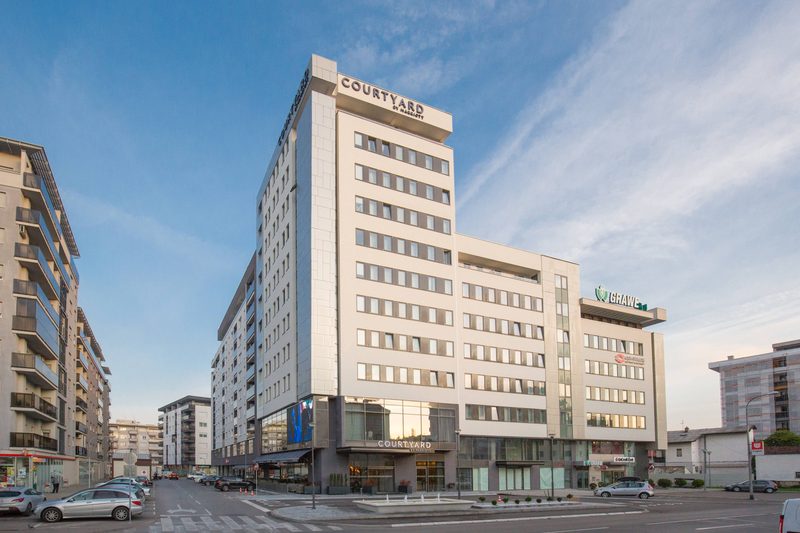
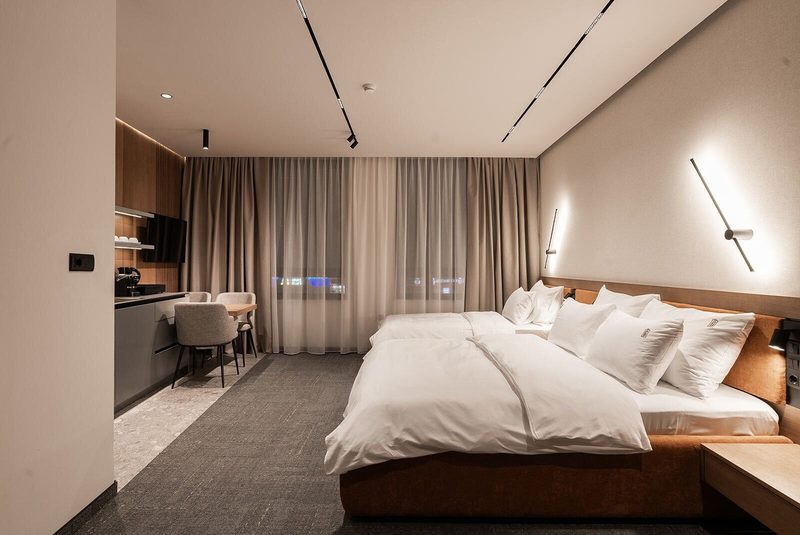
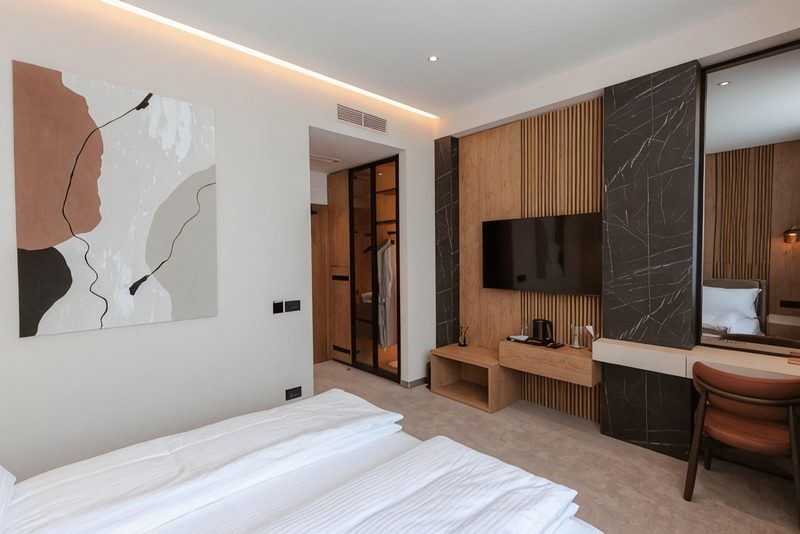
Where to Stay in Bosnia and Herzegovina in March
Hand-picked hotels across price tiers for March travellers.
Public Holidays in March
Dates that affect opening hours, transport and crowds
Dan nezavisnosti Bosne i Hercegovine
Known in English as Independence day. A public holiday in these regions only: BA-BIH.
Dan nezavisnosti Bosne i Hercegovine
Known in English as Independence day. A public holiday in these regions only: BA-BIH.
Packing Checklist
Bookmark this page — your progress is saved between visits
Need the full list with shopping links?
Climate-specific gear, brand recommendations, and what to leave at home.
View Bosnia and Herzegovina Packing List →Essential Tips
Insider knowledge and common pitfalls to avoid
Insider Knowledge
Bosnia and Herzegovina's March weather means restaurants still serve winter dishes - order begova čorba (Bey's soup) at Sarajevo's Restaurant Kastel, a slow-cooked meat and vegetable soup that locals swear cures everything
The train from Sarajevo to Mostar runs along the Neretva River canyon - March's morning departures at 7:15am offer mist-over-water views that summer's haze destroys. Book seat 12An on the right side for the best photos
Mostar's bridge divers expect tips after jumping - but in March they'll teach you the technique if you buy them coffee first. The summer performers just jump and demand money
Sarajevo's yellow fortress (Žuta Tabija) has a secret viewpoint: instead of the main platform crowded with tour groups, walk 200m (656 ft) past the café to where locals sit on Ottoman-era stone walls - same view, zero crowds
Avoid These Mistakes
Assuming March means spring - mountain areas can still hit -5°C (23°F) at night, and that cute guesthouse in Lukomir might not have heating
Wearing smooth-soled shoes in Mostar - the polished limestone around Stari Most becomes lethal when wet, and March rain happens daily
Skipping breakfast at Sarajevo's Baščaršija - locals eat burek and drink Bosnian coffee at 8am. But most tourist restaurants don't open until 10am, leaving you hungry
Ready to plan your trip to Bosnia and Herzegovina?
Now that you've got the research covered, here's where to go next.
Book Experiences in Bosnia and Herzegovina
Top-rated things to do in Bosnia and Herzegovina this March


Explore More Activities in Bosnia and Herzegovina
Didn't see anything interesting yet?
Browse Viator's full catalog of tours, day trips, food experiences, and private guides in Bosnia and Herzegovina.
See All Bosnia and Herzegovina Tours on Viator